


The Shift Away from Gas
Across Scotland, more homeowners are looking beyond gas. At Yarrow Energy, we’ve seen a steady rise in customers wanting systems that cut emissions without compromising warmth. Biomass boilers tick those boxes. They’re fuelled by wood pellets or logs, making them renewable, carbon-neutral, and compatible with Scotland’s changing energy landscape.
Understanding the Difference
A gas boiler burns fossil fuel. A biomass boiler burns plant material that regrows, absorbing the same carbon it releases. Both heat water for central heating, but that’s where similarities end. Biomass systems rely on physical fuel deliveries and storage, while gas systems draw from the mains.
In practical terms, biomass boilers provide steady, radiant warmth that feels more natural. They can be integrated with under-floor heating or radiators, just like a conventional boiler.
Cost and Efficiency
Upfront, biomass boilers cost more to install than a new gas system. However, fuel savings and grants can make a big difference over time. Wood pellets are less volatile in price than gas, and efficiency often reaches 90 percent or higher. Over ten years, most customers see a clear financial advantage, especially if replacing oil or LPG.
We always help clients calculate running costs honestly. The goal is transparency, not over-promising.
Installation and Maintenance
Installing a biomass boiler usually takes four to seven days. We handle everything, flue design, fuel feed, commissioning, and safety checks. Maintenance involves ash removal and an annual service to clean heat exchangers and sensors.
Our customers appreciate that servicing costs are predictable. A well-maintained biomass system can run for twenty years or more.
Environmental Impact
Biomass is one of the most effective ways to cut household carbon emissions. Each tonne of pellets burned replaces roughly half a tonne of fossil CO₂. When sourced from certified sustainable forestry, it’s a closed-loop system.
At Yarrow, we only recommend suppliers who meet strict sustainability standards, ensuring your heating choice genuinely benefits the planet.
FAQS
- 1
Q1: Is biomass really carbon-neutral?
Yes, provided the fuel is from sustainable sources and replanting offsets combustion.
- 2
Q2: Will I need planning permission?
Most domestic installations do not, but rural flue designs may require notice.
- 3
Q3: How often must I empty the ash?
Once every few weeks, depending on usage and boiler size.
- 4
Q4: Can biomass heat water and radiators?
Yes, it provides full central heating and domestic hot water.
Biomass Boilers vs Gas Boilers
In practical terms, biomass boilers provide steady, radiant warmth that feels more natural. They can be integrated with under-floor heating or radiators, just like a conventional boiler.
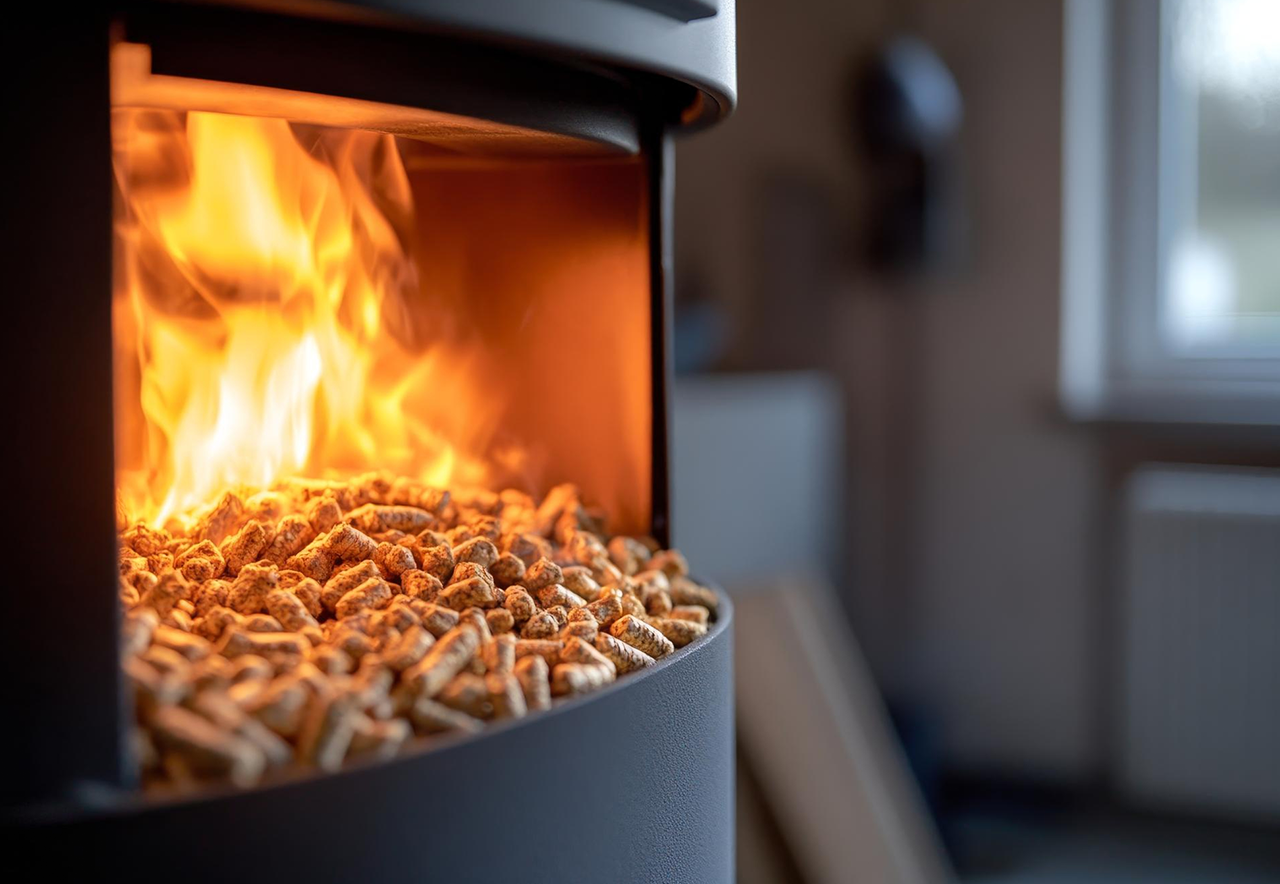
Switching from gas to biomass isn’t just a technical upgrade, it’s a commitment to a cleaner future. If you’re ready to move beyond fossil fuels, we’ll guide you through every step, from specification to first warm morning coffee beside your new, renewable heating system.