


The terms “ground source” and “geothermal” are often used interchangeably, but they aren’t quite the same. In Scotland, most residential systems are technically ground source, drawing low-grade heat from shallow loops rather than deep geothermal reservoirs.
One of the biggest advantages of ground source heating in Scotland is long-term stability. Unlike oil and gas prices, which can fluctuate significantly over the course of a year, the temperature beneath the ground remains relatively constant. That consistency allows ground source systems to deliver dependable performance even during colder Scottish winters, when traditional heating systems are often working at their hardest. Many homeowners are also surprised by how adaptable these systems can be.
Ground loops can be installed horizontally across available land or vertically through boreholes where space is tighter, making the technology suitable for a wide range of properties, from rural homes and farmhouses to larger commercial buildings. When paired with good insulation and modern heating controls, a ground source heat pump can dramatically improve overall energy efficiency while reducing carbon emissions at the same time.
For businesses and homeowners looking to future-proof their property against rising energy costs and changing environmental standards, it represents a practical investment in both comfort and long-term sustainability.
Understanding the Terminology
The terms “ground source” and “geothermal” are often used interchangeably, but they aren’t quite the same. In Scotland, most residential systems are technically ground source, drawing low-grade heat from shallow loops rather than deep geothermal reservoirs.
How Ground Source Heat Pumps Work
Pipes buried in the ground circulate fluid that absorbs stored solar energy from the soil. A compressor inside your home upgrades that heat to a usable temperature. It’s efficient, quiet, and remarkably consistent through every season.
What Geothermal Energy Involves
True geothermal systems tap into deep underground heat. They’re used mainly for large commercial or district heating projects. While Scotland’s geology isn’t ideal for widespread deep geothermal use, the principles are similar.
Comparing Costs and Performance
Ground source systems typically cost £15,000–£25,000 installed but deliver exceptional efficiency — often a Coefficient of Performance (COP) of 4.5 or higher. That means four and a half units of heat for every unit of electricity used. Over time, the savings offset the initial investment.
Maintenance is minimal beyond annual checks. There are no combustion parts, flues, or emissions.
Which Is Right for You
For homeowners in rural areas with garden space, ground source is ideal. For large developments, geothermal-scale systems can heat entire communities.
FAQS
- 1
Does a ground source system work in winter?
Yes, ground temperature remains stable year-round.
- 2
How long do the underground loops last?
Usually over 50 years if installed correctly.
- 3
Are they noisy?
No, the outdoor components are silent; only the indoor unit hums quietly.
- 4
Can I get a grant for ground source heat pumps?
Yes, several UK schemes support renewable installations.
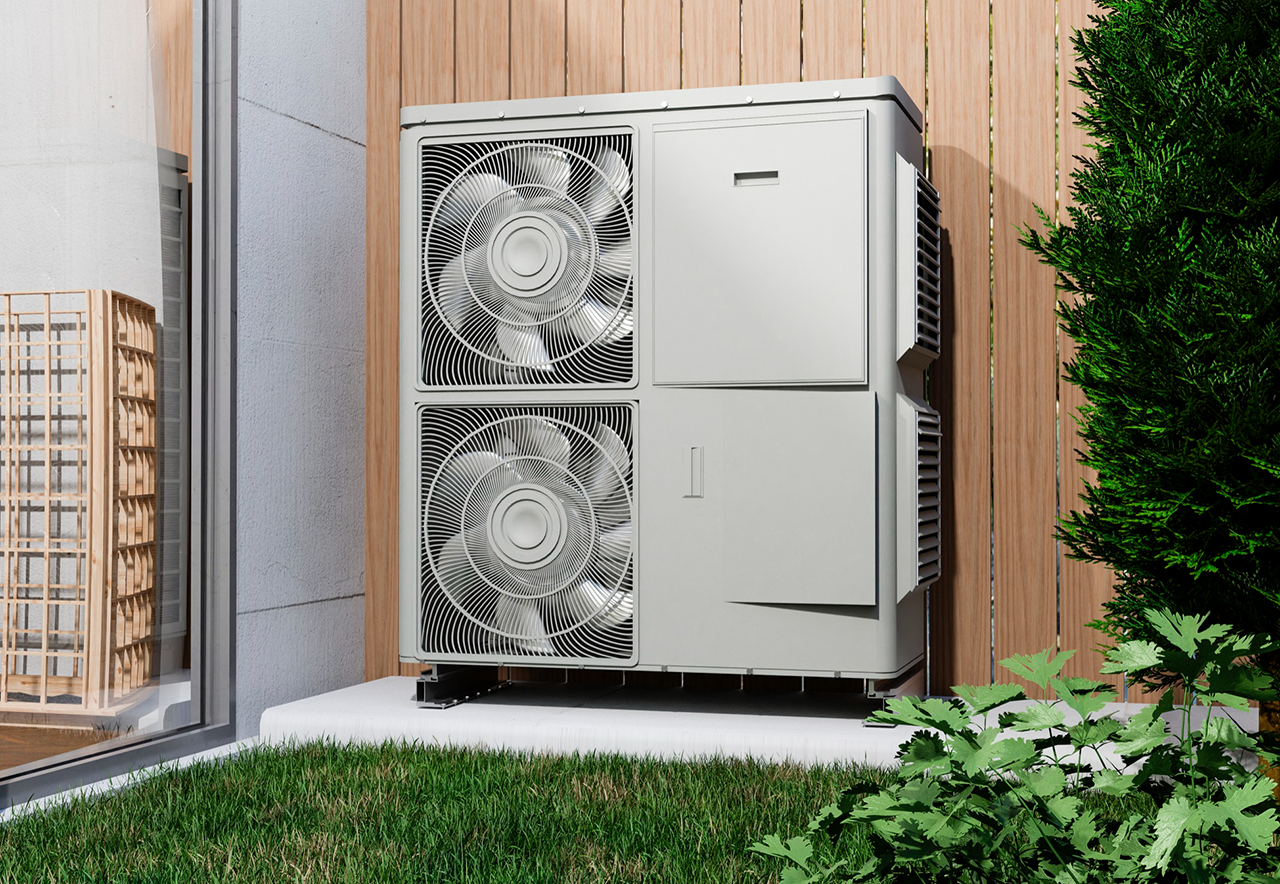
Tapping into the ground’s natural warmth is one of the cleanest ways to heat a building. It’s renewable, sustainable, and future-proof. Whether you’re planning a home build or retrofit, we can help you make the most of Scotland’s hidden energy resource.