


A well-maintained biomass boiler can provide reliable, renewable heat for many years, but like any heating system, performance depends on how well it’s looked after. Small habits, regular servicing, and using the right fuel all play a major role in keeping efficiency high and operating costs under control.
A well-maintained biomass boiler can provide reliable, renewable heat for many years, but like any heating system, performance depends on how well it’s looked after. Small habits, regular servicing, and using the right fuel all play a major role in keeping efficiency high and operating costs under control.
Start With Quality Fuel
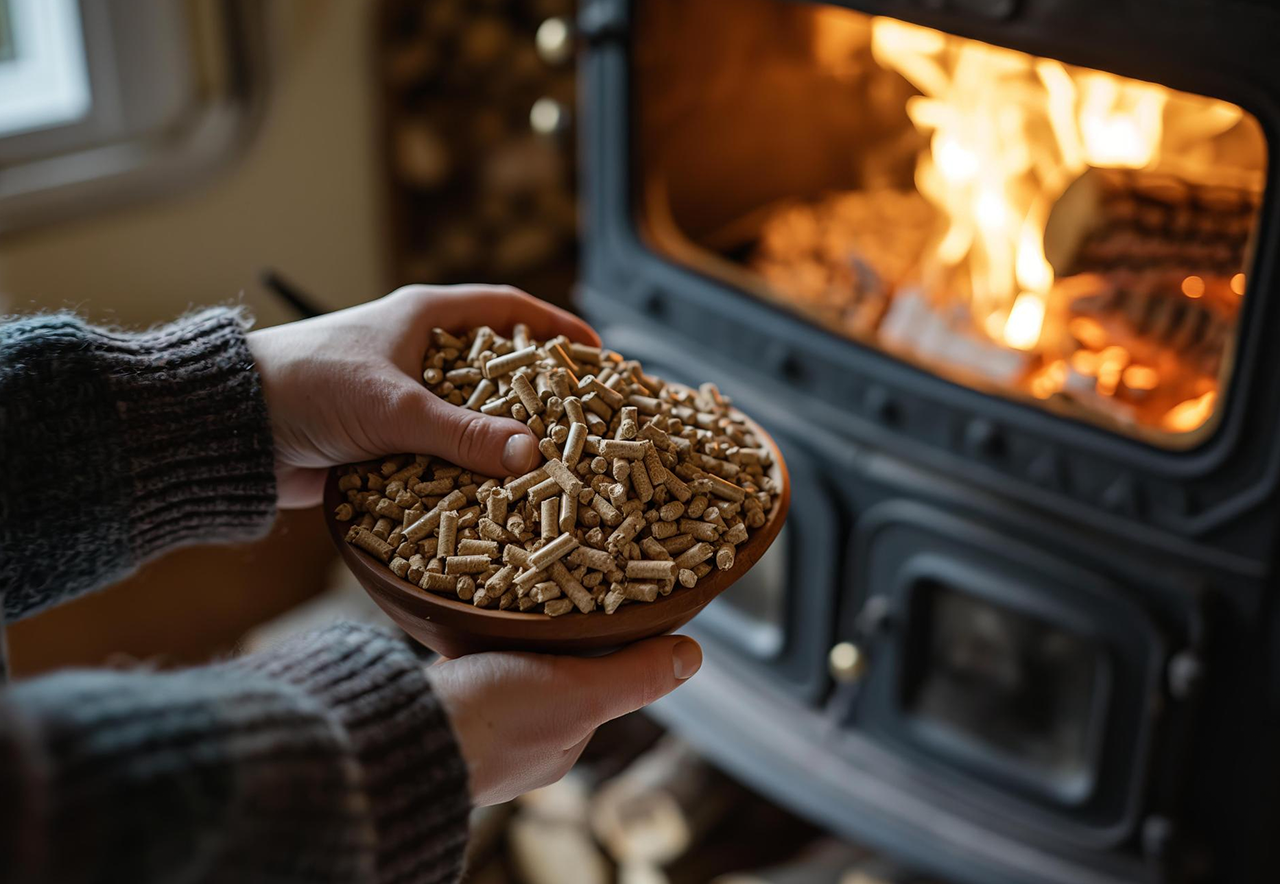
The quality of your wood pellets matters more than many people realise. High-grade pellets burn cleaner, produce less ash, and allow the system to operate at its intended efficiency levels. We always recommend ENplus A1 certified pellets, as lower-quality fuel can lead to inconsistent combustion, increased residue, and unnecessary strain on internal components.
Storage is equally important. Pellets should always be kept dry and well ventilated. Damp fuel breaks down quickly and can cause feed issues, blockages, and reduced heat output.
Keep Ash Build-Up Under Control
Biomass boilers naturally produce ash as part of the combustion process. While this is completely normal, excessive build-up can begin to restrict airflow and reduce overall system efficiency.
For most domestic systems, the ash pan should be emptied every one to two weeks during periods of heavier use. Commercial or high-demand systems may require more frequent attention. A deeper clean of the combustion chamber and surrounding components every month helps maintain stable performance and prevents unnecessary wear over time.
Monitor Performance Throughout the Year
Modern biomass systems provide a range of useful operational data, including temperatures, feed rates, and efficiency readings. Keeping an eye on these figures can help identify small issues before they become larger problems.
If you notice slower heat response times, unusual pellet consumption, or sudden temperature drops, it may point towards damp fuel, restricted airflow, or a developing blockage within the auger system. Catching these issues early can prevent downtime during colder periods.
One of the biggest advantages of biomass heating is long-term reliability, but consistency is key. Systems that receive regular checks and servicing tend to operate far more efficiently over their lifespan, maintaining better fuel economy and more dependable heat output year after year. Seasonal preparation also makes a significant difference in Scotland, where weather conditions can change quickly.
Carrying out a pre-winter inspection allows any worn parts, airflow issues, or combustion imbalances to be corrected before demand increases. During quieter summer months, a full internal clean helps remove residual ash and moisture that could otherwise contribute to corrosion. Many property owners also overlook the importance of checking seals, sensors, and flue pathways, all of which play a vital role in safe and efficient operation. A proactive approach not only protects the boiler itself, it also helps maximise the return on investment from the entire renewable heating system.
Maintain Correct Combustion Settings
Balanced combustion is essential for efficient biomass heating. During servicing, engineers will check oxygen sensors, flue gas readings, airflow, and fuel feed rates to ensure the boiler is operating correctly.
Even small adjustments can affect combustion quality, so manual changes should only be made by trained professionals. Correct calibration improves fuel efficiency, lowers emissions, and helps the system achieve stable long-term performance.
Seasonal Care Matters
Preparing your boiler for seasonal changes is one of the simplest ways to avoid problems later in the year.
Before winter, it’s worth arranging a full inspection to ensure the system is ready for increased demand. During summer, when usage is lower, a thorough clean and maintenance check can help prevent corrosion and component wear.
FAQS
- 1
Can I use mixed wood pellets?
We recommend using certified, uniform pellets for the cleanest and most efficient burn.
- 2
How often should a biomass boiler be serviced?
At least once per year, although high-use systems may benefit from twice-yearly servicing.
- 3
Does ash build-up affect efficiency?
Yes. Excessive ash can restrict airflow and reduce heat transfer throughout the system.
- 4
Should I switch my biomass boiler off during summer?
In many cases, yes, unless the system is also supplying domestic hot water year-round.
Efficient biomass heating isn’t achieved through one-off maintenance. It comes from consistent care, quality fuel, and professional servicing at the right intervals.
With the right approach, a biomass boiler can deliver dependable renewable heating with lower running costs and fewer disruptions, even during Scotland’s colder months.